


The Biomedical Science program is designed to provide students with a strong foundation in the biological and chemical science, focusing on their applications to human health and disease. This interdisciplinary program integrates core scientific principles, including research, with specialized knowledge of medical and health-related topics, preparing students for diverse careers in healthcare, research, and biotechnology. Biomedical Sciences is a marketable degree appropriate for application to graduate research programs and research-based jobs in a medical setting (e.g. clinical laboratory technologists). A wide range of electives allows the student to tailor their degree to match their interests and professional goals.
Degree Distinctive
Students are able to pursue a degree with a focused lens on biological and chemical processes related to human health and disease, effectively applying the foundational knowledge of biology and chemistry directly to medical applications.
Career Opportunities
A Biomedical Science degree prepares students for a wide range of graduate or professional programs and careers in healthcare, research, and biotechnology. Graduate programs may include a variety of topics such as biomedical sciences, neuroscience, biochemistry, toxicology, and more. Professional programs may include medical, veterinary, dental, optometry, physician assistant and chiropractic programs. Individuals may also go directly into the workforce in careers such as health sciences research, biomedical research, pharmaceutical and medical sales.
Chlapaty and Butler Fellowship Programs
The Joseph and Linda Chlapaty Summer Research Fellowship and John and Alice Butler Summer Research Fellowship are competitive fellowships that help prepare talented undergraduate students across all disciplines for graduate or professional school. Prior summer research has included topics such as: Nature Versus Nurture of Behavior Health, Biodiversity and Ecological Assessment of Fruiting Fungi in Dubuque County, Analyzing Health Effects of Lead in Tap Water, Coinfection Rates of Two Tick-born Pathogens in Eastern Iowa, and Analysis of Macro and Microplastics Present in Sri Lankan Elephant Feces. Student will work with their advisors in determining the project and path of study.
"The Joseph and Linda Chlapaty Summer Research Fellowship provide students with the opportunity to engage in one-on-one research with University of Dubuque faculty members to enhance their professional competence through post-graduate school examination preparation, communication skill-building, and professional networking so as to position themselves for success in their post-graduate studies and careers," said Mark Sinton, PhD, director of the Joseph and Linda Chlapaty Summer Research Fellowship.
"The John and Alice Butler Summer Research Fellowship program provides students with the opportunity to do research with University faculty or to partake in an internship within their intended profession. The program also helps fellows build professional relationships through mock interviews, networking, resume and cover letter design, and communication skill-building in order to enhance their post-graduate employment," said Mark Sinton, PhD, director of the John and Alice Butler Summer Research Fellowship.
Fellows will commit 400 hours of work on their research over a 10-week period during the summer. They will each receive a stipend of $4,500 and an additional $500 for research-associated supplies or travel costs. Fellows are required to present the results of their research or internship during the following academic year at a local, regional, or national conference.
Health and Wellness Sciences Faculty/Staff
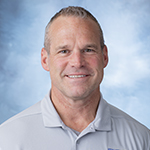
James RomagnaProfessor of Health, Wellness, and Sport
Phone: 563.589.3402 Fax: 563.589.3410 Email: JRomagna@dbq.edu Department: Health and Wellness Sciences Office: 221 Severance Hall
CREDENTIALS
- EdD, National Louis University
- MA, Loras College
- BA, Loras College
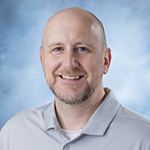
Joshua ThomasDepartment Head - Health, Wellness, and Sport; Associate Professor of Exercise Science
Phone: 563.589.3186 Fax: 563.589.3410 Email: JMThomas@dbq.edu Department: Health and Wellness Sciences Office: 220 Severance Hall
CREDENTIALS
- PhD, Iowa State University
- MS, Iowa State University
- BA, Northwestern College (Iowa)